
Postgraduate Programmes
Accounting and Finance Curriculum Design in Postgraduate Programmes
Replicable method for designing accounting and finance curricula around Hong Kong tax, governance,...

Architecture for degree-focused content covering master's, postgraduate diploma, and professional education pathways associated with HKCyberU.
7 papers
This category covers master’s degrees, postgraduate diplomas, and professional education routes, with subject lenses including finance, healthcare, real estate, security, and risk management.
The resources are designed for prospective postgraduate students, Hong Kong professionals, academic partners, and education stakeholders evaluating flexible study options.
Articles emphasize programme fit, curriculum structure, blended delivery design, and implementation considerations rather than promotional ranking or unsupported claims.
Replicable method for designing accounting and finance curricula around Hong Kong tax, governance,...
A replicable framework for comparing postgraduate options by goals, accreditation, delivery mode,...

A replicable method for designing blended MSc and PgD real estate curricula, mapping BRE subjects,...

Summary of how blended postgraduate study supports Hong Kong professionals through flexibility,...

Compare master's degrees, postgraduate diplomas, and certificates by depth, cost, flexibility,...

A methodology for designing postgraduate security risk curricula, aligning criminology,...

Case study of PolyU nursing syllabi showing how blended, PBL, clinical reasoning, TCM, ethics, and...
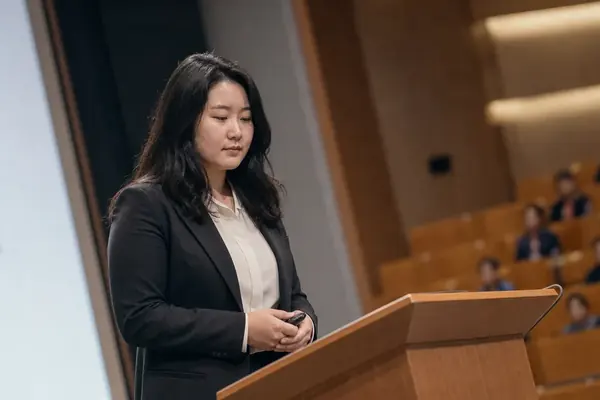
Blended postgraduate study sits between two older traditions: the campus seminar and the fully online course. The articles in this category treat that middle ground as a design problem, not a compromise. A well-structured programme decides deliberately what belongs in synchronous sessions, what works asynchronously, and where the two need to reinforce each other. Those decisions shape workload, peer collaboration, and how theory connects to the work you already do.
The hardest part for most working professionals is rarely the academic content itself. It is sustaining momentum across self-paced modules while a job and the rest of life compete for the same hours. We keep that reality at the centre of how programmes are compared here, weighing curriculum structure and delivery design against the practical demands of part-time study. What counts as the right fit will differ by field and by circumstance, and the writing aims to surface those trade-offs clearly rather than rank programmes against a single scale.